Global coronavirus cases rise above 13 million, WHO sounds alarm

Coronavirus infections rose above 13 million across the world on Monday, according to a Reuters tally, climbing by one million in just five days in a pandemic that has killed more than half a million people.

World Health Organization chief Tedros Adhanom Ghebreyesus said there would be no return to the old normal for the foreseeable future, with too many countries headed in the wrong direction.

“The virus remains public enemy number one,” he told a virtual briefing from WHO headquarters in Geneva.

“If basics are not followed, the only way this pandemic is going to go, it is going to get worse and worse and worse. But it does not have to be this way.”

The Reuters global tally, which is based on government reports, shows the disease is accelerating the fastest in Latin America. The Americas account for more than half the world’s infections and half the deaths.

Parts of the world, especially the United States with more than 3.3 million confirmed cases, are still seeing huge increases in a first wave of COVID-19 infections, while others “flatten the curve” and ease lockdowns.

Some places, such as the Australian city of Melbourne and Leicester in England, are implementing a second round of shutdowns. Chinese-ruled Hong Kong, albeit with a low 1,522 cases, is to tighten social distancing measures again amid growing worries about a third wave.

The United States reported a daily global record of 69,070 new infections on July 10. In Brazil, 1.86 million people have tested positive, including President Jair Bolsonaro, and more than 72,000 people have died.

The US state of Florida reported a record increase of more than 15,000 new cases in 24 hours on Sunday, more than South Korea’s total since the disease was first identified at the end of last year. Florida tallied 12,624 new cases on Monday.

Coronavirus infections were rising in about 40 US states, according to a Reuters analysis of cases for the past two weeks compared with the prior two weeks.

Yet US President Donald Trump and White House officials have repeatedly said the disease is under control and that schools must reopen in the autumn.

“The president and his administration are messing with the health of our children,” House Speaker Nancy Pelosi said on CNN’s “State of the Union” program.

“We all want our children to go back to school, parents do and children do. But they must go back safely.”

Stay at home

Hungary has imposed new restrictions on cross-border travel as of next Wednesday in order to prevent the spread of the coronavirus after a surge in new cases in several countries, Prime Minister Viktor Orban’s chief of staff said on Sunday.

The leader of the Spanish region of Catalonia called on residents of an area that has seen a surge in coronavirus cases to stay at home despite a ruling by a judge who threw out a mandatory lockdown order for the district of 160,000 people.

Spain, which has been one of the European countries worst hit by the coronavirus, lifted nationwide confinement last month, when the pandemic seemed to have come under control.

Since the first cases were reported in China around the new year, it took three months to reach one million cases. It has taken just five days to climb to 13 million cases from 12 million recorded on July 8.

India, the country with the third-highest number of infections, has been contending with an average of 23,000 new infections each day since the beginning of July.

In countries with limited testing capacity, case numbers reflect only a smaller proportion of total infections. Experts say official data likely under-represents both infections and deaths.

WHO warns that coronavirus crisis may get ‘worse and worse and worse’

The new coronavirus pandemic raging around the globe will worsen if countries fail to adhere to strict healthcare precautions, the World Health Organization (WHO) warned on Monday.

“Let me be blunt, too many countries are headed in the wrong direction, the virus remains public enemy number one,” WHO Director General Tedros Adhanom Ghebreyesus told a virtual briefing from the UN agency’s headquarters in Geneva.

“If basics are not followed, the only way this pandemic is going to go – it is going to get worse and worse and worse.”

Global infections stand at 13 million, according to a Reuters tally, with more than half a million deaths.

Tedros, whose leadership has been criticized by US President Donald Trump, said that of 230,000 new cases on Sunday, 80% were from 10 nations, and 50% from just two countries.

The United States and Brazil have been worst hit.

WHO emergencies head Mike Ryan said some places in the Americas may need “limited or geographically focused lockdowns that suppress transmission in specific areas where transmission is frankly out of control”.

He urged countries not to make schools into a political football, saying schools could safely reopen once the virus had been suppressed.

Tedros said the WHO had still not received formal notification of the US pullout announced by Trump. The US president says the WHO pandered to China, where the COVID-19 disease was first detected, at the start of the crisis.

Trump, who at the weekend wore a protective face mask in public for the first time, has himself been accused by political opponents of not taking the coronavirus seriously enough, something he denies.

A two-member WHO advance team in China to investigate the origins of the coronavirus, first discovered in the city of Wuhan, is in quarantine, as per standard procedure, before beginning work with Chinese scientists, Ryan said.

WHO declares the outbreak of the new coronavirus is a pandemic

The coronavirus sweeping across the world is a pandemic, the World Health Organization declared today. There are now over 118,000 cases of COVID-19, the disease caused by the virus, in 114 countries around the world.

The WHO continues to closely monitoring spread of the virus, said Tedros Adhanom, director general of the WHO, during the announcement. “We are deeply concerned both by the alarming levels of spread and severity, and by the alarming levels of inaction,” he said. “We have called every day for countries to take urgent and aggressive action.”

There are large outbreaks of the virus in Italy, South Korea, and the United States. In the US, the slow rollout of testing and limited testing capacity has crippled response to the disease.

The spread of the virus can still be controlled, Adhanom said. He pointed to both China and South Korea, where outbreaks appear to be declining. “It’s doable.”

A pandemic is the “worldwide spread of a new disease,” according to the WHO. There’s no cut-and-dry criteria for what reaches the level of pandemic and what does not, and there is no threshold of cases or deaths that triggers the definition.

The WHO classified the novel coronavirus as a global public health emergency on January 30th. Until now, they’ve been reluctant to call the outbreak a pandemic over concerns that it would incite unnecessary panic, though they’d been warning countries to prepare for a pandemic. “Using the word pandemic now does not fit the facts, but it may certainly cause fear,” Adhanom said at a press briefing at the end of February. “What we see are epidemics in different parts of the world affecting different countries in different ways.”

Countries around the world, including in the US, have already been leaning on pandemic preparedness plans to respond to outbreaks of the new coronavirus.

The last time the WHO declared a pandemic was during the H1N1 outbreak in 2009, which infected nearly a quarter of the world’s population. However, that decision was criticized for creating unnecessary panic. SARS was not considered a pandemic, despite affecting people in 26 countries, and neither was MERS.

Coronavirus: Schools could close to tackle virus outbreak

The first minister told the BBC’s Politics Scotland they may have to consider closing schools and delaying non-urgent hospital procedures.

But she stressed that their decisions would be “really strongly underpinned” by scientific advice.

Eighteen people have so far tested positive for the Covid-19 virus in Scotland.

Ms Sturgeon said she expected the number to rise “perhaps rapidly in the days to come”.

“It is now likely that we are facing a significant outbreak of coronavirus across the UK,” she added.

However, the “vast majority” of infected people would experience only very mild symptoms and would not need hospital treatment.

Experts are currently working to contain the spread of the virus in Scotland.

The first minister said that when that “ceases to be possible” action will be taken to slow down its spread.

If they can reduce the number of infected people at any one time, that will reduce the pressure on the health service.

She admitted school closures “could be considered” in a bid to slow the spread of the virus but no decisions have been taken.

“There are balances – quite difficult balances – and quite difficult judgements to be made here,” Ms Sturgeon said.

“We have some of the best scientists in the country looking at the kind of measures that would have the greatest impact on slowing down the spread of the virus.

“That has to be balanced by how practical those measures are to implement and, of course, the society and economic impact.

“There are some careful judgements that politicians and ministers will have to take but the focus is on doing everything we possible can to slow down the spread of this.”

Coronavirus in Scotland

  • 1,939Negative test results

  • 18Positive test results

  • 273Positive cases in UK

  • 2Deaths in the UK

  • 100,000Approximate positive cases globally

  • 3,500 Approximate deaths globally

Source: WHO figures

Work to increase capacity in hospitals could include the postponement of non-urgent procedures.

They are also considering opening facilities which are not routinely used, asking retired healthcare workers to return to work, and procuring additional equipment.

On the issue of welfare payments, the first minister said the Scottish government would do what it could within its powers to support the most vulnerable people affected by the virus

She said ministers were holding “good discussions” with the UK government on issues including the relaxation of Universal Credit.

“We don’t want people who are doing the right thing – self-isolating to limit the spread of the virus – being sanctioned in terms of their benefits.”

Earlier, on Sky News’ Sophy Ridge On Sunday, Ms Sturgeon said the need for more funding for the NHS was “inevitable”.

Chancellor Rishi Sunak is preparing to deliver the UK Budget on Wednesday. He told the BBC’s Andrew Marr programme the NHS will get “whatever resources it needs”.

Coronavirus declared global health emergency by WHO

The new coronavirus has been declared a global emergency by the World Health Organization, as the outbreak continues to spread outside China.

“The main reason for this declaration is not what is happening in China but what is happening in other countries,” said WHO chief Tedros Adhanom Ghebreyesus.

The concern is that it could spread to countries with weaker health systems.

At least 213 people have died from the virus in China.

The WHO said there had been 98 cases in 18 other countries, but no deaths. Most cases have emerged in people who have travelled from the Chinese city of Wuhan, where the outbreak began.

However, there have been eight cases of human-to-human infection – in Germany, Japan, Vietnam and the United States.

Speaking at a news conference in Geneva, Dr Tedros described the virus as an “unprecedented outbreak” that has been met with an “unprecedented response”.

Readmore

This map tracks the coronavirus in real time

The number of novel coronavirus cases is changing quickly. A real-time tracking map shows us just how quickly.

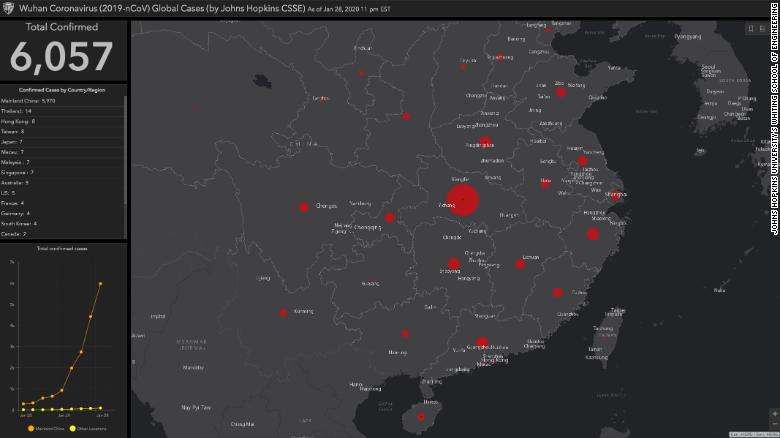
The map from Johns Hopkins University’s Center for Systems Science and Engineering follows coronavirus cases across the world.

The dashboard collects data from the US Centers for Disease Control and Prevention, the World Health Organization, the European Centre for Disease Prevention and Control, the Chinese Center for Disease Control and Prevention and the Chinese website DXY, which aggregates data from China’s National Health Commission and the CCDC. The results populate a worldwide view of coronavirus cases in real time.

See the map here The coronavirus case map updates in real time as global health agencies confirm more cases.

The clickable map pinpoints regions where patients have been diagnosed with coronavirus — the more cases in a region, the larger its dot on the map (right now, the largest dot belongs to the Hubei Province, where the outbreak originated).

The map tracks deaths, too, in total and by city.

Lauren Gardner, director of the Center for Systems Science and Engineering and a civil engineering professor at Johns Hopkins, said the map isn’t just a resource for the public — health officials can download the data, which will inform research on the coronavirus in the future.

“We built this dashboard because we think it is important for the public to have an understanding of the outbreak situation as it unfolds with transparent data sources,” she said. “For the research community, this data will become more valuable as we continue to collect it over time.”

The dashboard also puts the outbreak into perspective: There are already more than 6,000 confirmed cases in mainland China and fewer than 100 everywhere else in the world.

The CDC regularly updates its map of confirmed coronavirus cases, too, though it shows cases by country rather than by region or city.

sumber: cnn

The Wuhan Coronavirus: A Tentative Clinical Profile

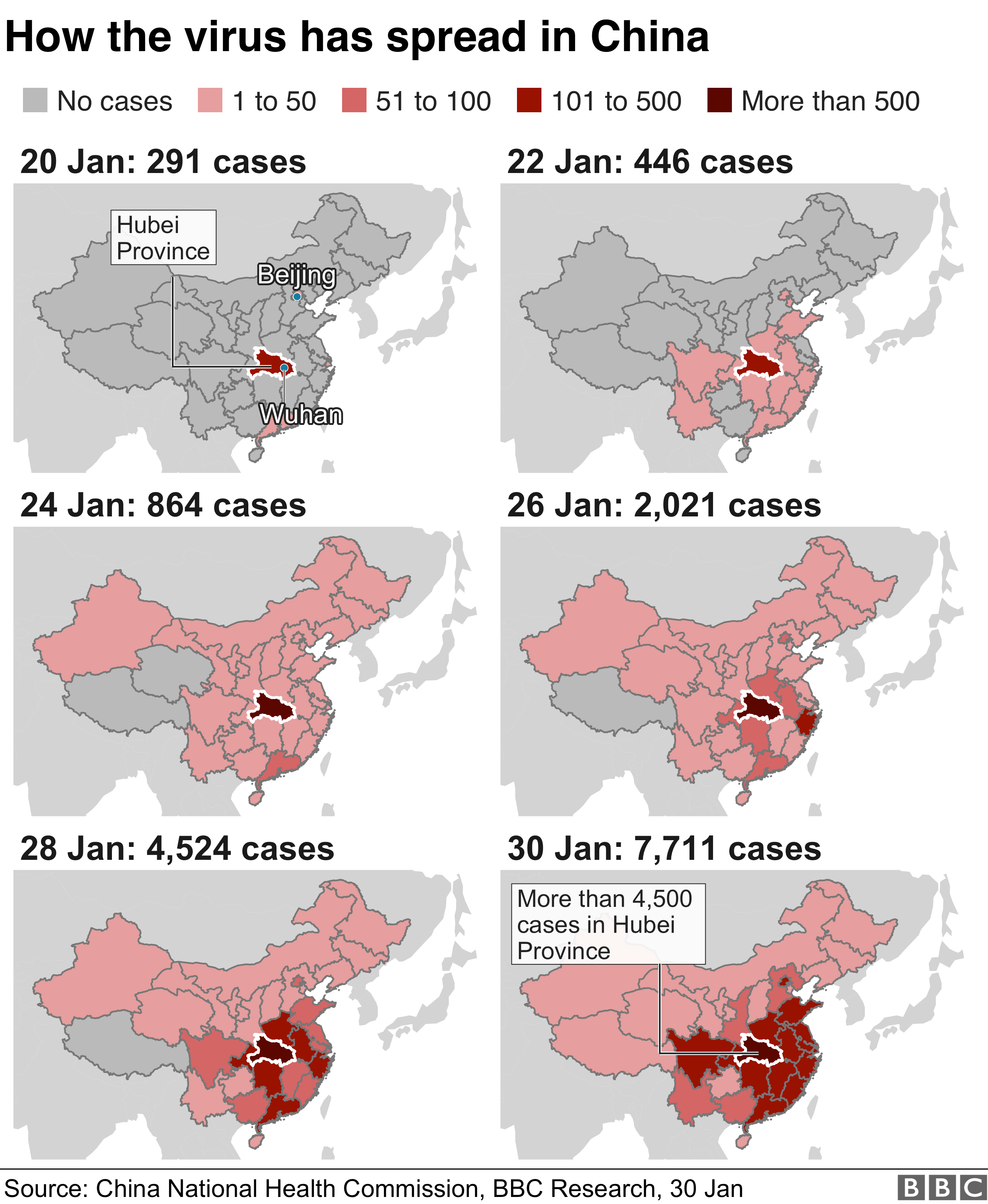
Until the 21st century, the worst a coronavirus, a large family of viruses capable of infecting humans and animals, could do to humans was to deliver the common cold—annoying but hardly sinister. But three times so far in the 21st century, novel coronaviruses have emerged that could potentially cause a deadly pandemic—SARS (severe acute respiratory syndrome) in 2003, MERS (Middle East respiratory syndrome) in 2012, and now 2019-nCoV emanating from Wuhan, China. As of Jan. 26, the new coronavirus has reportedly infected at least 2,463 people and caused at least 80 deaths. Those numbers are certain to mushroom.

Controlling the spread of the virus requires both public health and medical measures—and for that we need a clear clinical profile. At this stage, that information is only just being put together, but what we do have is disturbing.

So far, the limited clinical information coming out of China means we know only about the mid-to-worst-case outcomes—from moderate to life-threatening pneumonia. Two studies released on Jan. 24—one about 41 infected patients and the other on a family cluster of six separate from those 41—provide both clues and concerns.

The official story is that this new coronavirus emerged from a Wuhan wet market, where live animals that would never normally meet in the wild live side by side, facilitating trans-species mutation of pathogens. Yet the first three known cases from Dec. 1 and 2 were not linked to the market. Neither were 11 more cases of the 41 reviewed in the recent study. This early data suggests an evolving virus that surfaced considerably earlier. Undetected among the plethora of similar chest infections and common symptoms, it honed its capacity to spread from human to human. As happened with SARS, new corona may be mutating along the way, gradually becoming more virulent.

The coronavirus is a physically large virus—in relative terms, at just 125 nanometers with a surface of spike projections, too big to survive or stay suspended in the air for hours or travel more than a few feet. Like influenza, this coronavirus spreads through both direct and indirect contact. Direct contact occurs through the physical transfer of the microorganism among friends and family through close contact with oral secretions. Indirect contact results when an infected person coughs or sneezes, spreading coronavirus droplets on nearby surfaces, including knobs, bedrails, and smartphones.

As with SARS, droplets generated during medical procedures such as bronchoscopy and respiratory treatment may be aerosolized, infecting multiple medical staff and enabling super-spreading. Hand hygiene and personal protective barriers—gowns, gloves, masks, and goggles—reduce droplet transmission. The incubation period, however, is unknown but currently very roughly estimated as between one and 14 days.

To complicate matters further, we do not know how easily the new coronavirus spreads. Can transmission take place before the onset of symptoms? (Measles, one of the most contagious diseases on Earth, is infectious two to four days beforehand.) Do people who never become symptomatic nonetheless spread the disease? Do symptomatic people become less contagious over time, like SARS, or is it like Ebola, which becomes increasingly contagious as the disease progresses? These are all unanswered questions.

Like its siblings SARS and MERS, the new coronavirus causes pneumonia—the infection of one or both lungs. But that may be only one potential syndrome, which is one of the factors making it difficult to spot. In fact, it probably causes a spectrum of disease, from asymptomatic to lethal. Even in deadly cases, new coronavirus infections start off much like many other less dangerous diseases. Initial symptoms are fever, dry cough, myalgia (muscle pain), and fatigue. Productive cough (a cough that produces phlegm) and headache are infrequent, hemoptysis (coughing up blood) and diarrhea occasional. It can take about a week before an infected person feels sick enough to seek medical care.

After this deceptively slow start, the disease progresses rapidly during the second week—in a similar fashion to SARS. Hypoxemia caused by increasing lung injury leads to difficulty breathing and the need for oxygen therapy. ARDS (acute respiratory distress syndrome) is a common complication. Between 25 and 32 percent of cases are admitted to the intensive care unit (ICU) for mechanical ventilation and sometimes ECMO (pumping blood through an artificial lung for oxygenation).

Other complications include septic shock, acute kidney injury, and virus-induced cardiac injury. The extensive lung damage also sets the lung up for secondary bacterial pneumonia, which occurs in 10 percent of ICU admissions. (This may also be the case for the Spanish flu of 1918, which killed 50 million people; the fatalities attributed to the viral influenza may be more because of the bacterial pneumonia that followed.)

Pneumonia from any cause severe enough to require ICU admission is associated with high morbidity and mortality. Defined as an infection of one or both lungs, it was already considered an ancient disease in Hippocrates’s time. In 1881, pneumococcus—the main cause of bacterial pneumonia—was finally identified. Over the next century, medical advances and the development of antibiotics made treatment possible, honed by intensivists to reduce the mortality rate to single figures.

In contrast, because few respiratory viruses cause more than mild infection, adult intensive care physicians generally have relatively little experience with viral pneumonia. Yet infection by SARS, H1N1, and MERS can lead to severe pneumonitis, ARDS, and respiratory failure, possibly because of an exaggerated inflammatory reaction. (Corticosteroids, the go-to anti-inflammatory drug, are ineffective and not recommended by the World Health Organization, or WHO.) The lack of effective antivirals and treatment options means viral pneumonia has a high mortality rate.

We do not know how lethal the new coronavirus is. While the single figures of deaths in early January seemed reassuring, the death toll has now climbed to above 3 percent. This may indicate better reporting—or the lethal lag time (the time for those infected to die). Another big unknown is the risk factors that would lead infection in a deadly direction. Certainly, some adults have compromised immune systems due to chronic illnesses. Of these, 15 percent have died, with higher fatality rates among older patients and those with co-morbidities of diabetes, hypertension, or coronary artery disease. However, most patients with severe illness were healthy to begin with, including a 30-year-old man who recently died.

Even trickier than treatment is detecting the virus. In quarantined Wuhan, dozens of fever clinics are singling out anyone with a fever of 99.1 degrees Fahrenheit or above—the cardinal sign for 98 percent of pneumonia cases—and then interviewing them about possible exposure to the coronavirus. In theory, this sounds reasonable.

In practice, it is the screening from hell. Early symptoms of fever and cough are clinically indistinguishable from the usual winter suspects, such as influenza, while fever is an undifferentiated sign, common to hundreds of noninfective diseases from allergies to arthritis. Even pregnancy elevates body temperature.

Because 110,000 people (about 1 percent of the population) in Wuhan might have a febrile illness at any given time, clinics, hospitals, and medical personnel are overwhelmed, short on lab tests and personal protective equipment. And as all those with a fever are detained until lab tests are back, nosocomial infection—transmission of disease in crowded clinics—becomes more likely.

Exit and entry screenings at international airports have been successful in picking up cases in Thailand and South Korea but have missed cases still incubating in the United States and Australia that were later detected in hospital after symptoms manifested.

More worrying is that several cases have been identified without a fever. This includes detection of coronavirus in a 10-year-old girl who exhibited no symptoms at all. If the coronavirus can be spread before symptoms appear, it will greatly complicate screening efforts even beyond the inadequacies of the fever test.

One puzzling aspect so far is the thankful lack of child victims. Usually, children, with less developed immune systems than adults, come down with one illness after another. A particularly severe example is RSV viral pneumonia, which results in an estimated 118,200 child deaths annually. (Adults are not seriously affected.)

Yet few children have yet been reported with coronavirus symptoms. That does not mean that no children have been infected. A similar pattern of benign disease in children, with increasing severity and mortality with age, was seen in SARS and MERS. SARS had a mortality rate averaging 10 percent. Yet no children, and just 1 percent of youths under 24, died, while those older than 50 had a 65 percent risk of dying. Is being an adult a risk factor per se? If so, what is it about childhood that confers protection? It may be the nonspecific effects of live vaccines such as for measles and rubella, which already have been found to provide protection from diseases beyond their immediate target. That may also explain why more men than women have been infected by the coronavirus, because women routinely are given a rubella vaccine booster in their teens to guard against the dangers of having rubella while pregnant. While we wait for an accelerated coronavirus vaccine to be ready, could innate immunity in adults be boosted by giving measles vaccines?

The virus itself is not the only risk. Fewer than half the patients hospitalized so far for the coronavirus ended up having the underlying disease. As hundreds more cases, many of them likely to be false positives, are picked up during aggressive screening, fewer patients can receive adequate support care. This compounds the clinical and ethical burden on medics working 24-hour shifts, working alongside colleagues who then become patients and living in hospitals because they are unwilling to risk infecting their families by going home. The risk of hospitals themselves becoming sites of infection is considerable: In March 2003, it was the infection of scores of medical staff that led the WHO to declare a global alert for SARS. This time, while only 16 medics are reported to have been infected, this is a likely underestimate—and the first case of a doctor dying from the virus has just been reported.

Fever clinics and screening are an exercise in clinical insanity, attempting to discern corona patients from every other common winter illness. Because there is no rapid diagnostic test, screening has focused on whether people have a fever, quickly overwhelming medical facilities until more time-consuming laboratory tests can be performed. Moreover, if nonsymptomatic people can spread the coronavirus, the focus on symptoms may be causing dangerous oversights.

The most powerful measures may be public education about the best ways to avoid infection, such as avoiding physical contact with people known to be infected, and to minimize spread from unidentified infections, wearing masks and hand hygiene. China is taking these measures, with public health information broadcast through multiple means, from state-run television to the village loudspeakers that usually blare propaganda. These steps can protect everyone, including families as they care for members who come down with typical flulike symptoms and may not seem to require more intensive treatment for several days. A more targeted approach can also ensure that medical facilities can focus on the people who really need intensive care rather than the far greater numbers who may simply have a fever but are kept in effective detention until laboratory tests can clear them.

Any new deadly pathogen inevitably gives rise to panic. But experience with other epidemics has shown us that a targeted approach can contain and arrest the spread of a virus—even more effectively than sweeping quarantines.
Annie Sparrow is an assistant professor of population health science and policy at Icahn School of Medicine at Mount Sinai in New York. Twitter: @annie_sparrow

source: https://foreignpolicy.com/2020/01/26/2019-ncov-china-epidemic-pandemic-the-wuhan-coronavirus-a-tentative-clinical-profile/

How you can help Hurricane Dorian disaster relief

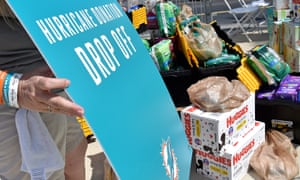
Miami Dolphins are collecting items at Hard Rock Stadium to send to the Bahamas after Hurricane Dorian.

The devastation caused by Hurricane Dorian in the Bahamas has left dozens of people confirmed dead, and potentially thousands still missing. “We have no food. No water. We’re abandoned here,” a survivor in one of the worst-hit areas of Grand Bahama told the Guardian.

Hubert Minnis, the prime minister of the Bahamas, called the damage “unprecedented”. Another official estimated the damage could take hundreds of millions, if not billions of dollars, to repair.

A wide range of organizations are raising money to provide immediate disaster relief to survivors in the Bahamas.

Some have argued that donors who want to make a real difference after a natural disaster should try to give money to local organizations.

HeadKnowles Hurricane Relief

HeadKnowles was founded by two friends in 2015 to raise money for disaster relief after Hurricane Joaquin. Since then, Lia Head-Rigby and Gina Knowles, two Bahamians living in the United States, have continued to coordinate donations for disaster relief after multiple hurricanes. The group has currently raised more than $1m on GoFundMe to help Dorian survivors. HeadKnowles has been endorsed as a trustworthy NGO by the founding director of the National Art Gallery of the Bahamas, and its leaders are cited as local relief experts in news reports.

GoFundMe also has a dedicated page of other “verified” crowdfunding campaigns to help those affected by Dorian.

Grand Bahama Disaster Relief Foundation

The foundation was formed by the Grand Bahama Port Authority. American citizens can make tax-deductible donations to the foundation through the Coastal Community Foundation of South Carolina, which pledges to send 100% of all donations to Grand Bahama.

Salvation Army

Minnis has reportedly encouraged donors to give to the Salvation Army, which is working closely with the Bahamian government.

Miami Herald’s Operation Helping Hands

Miami, Florida, is just a short distance from the Bahamas, and many local organizations have been coordinating aid to Dorian survivors, including the Miami Herald, the region’s most prominent newspaper. The news organization pledges that 100% of funds raised “will go directly to help people affected by Hurricane Dorian in the Bahamas and other affected areas”.

30+ other organizations vetted by Charity Navigator

Advertisement

Charity Navigator, a group that vets American philanthropic groups, has a list of dozens of organizations in the Bahamas and in the United States that is says are highly rated and able to provide relief to Dorian survivors.

The charities on this list “have pre-positioned resources to deliver food, emergency shelter, medical care, and other critical items to people impacted by this storm” and Charity Navigator “has confirmed these charities’ efforts on the ground”, the group said.

This High-Tech Solution to Disaster Response May Be Too Good to Be True

SEATTLE — The company called One Concern has all the characteristics of a buzzy and promising Silicon Valley start-up: young founders from Stanford, tens of millions of dollars in venture capital and a board with prominent names.

Its particular niche is disaster response. And it markets a way to use artificial intelligence to address one of the most vexing issues facing emergency responders in disasters: figuring out where people need help in time to save them.

That promise to bring new smarts and resources to an anachronistic field has generated excitement. Arizona, Pennsylvania and the World Bank have entered into contracts with One Concern over the past year. New York City and San Jose, Calif., are in talks with the company. And a Japanese city recently became One Concern’s first overseas client.

But when T.J. McDonald, who works for Seattle’s office of emergency management, reviewed a simulated earthquake on the company’s damage prediction platform, he spotted problems. A popular big-box store was grayed out on the web-based map, meaning there was no analysis of the conditions there, and shoppers and workers who might be in danger would not receive immediate help if rescuers relied on One Concern’s results.

“If that Costco collapses in the middle of the day, there’s going to be a lot of people who are hurt,” he said.

The error? The simulation, the company acknowledged, missed many commercial areas because damage calculations relied largely on residential census data.

One Concern has marketed its products as lifesaving tools for emergency responders after earthquakes, floods and, soon, wildfires. But interviews and documents show the company has often exaggerated its tools’ abilities and has kept outside experts from reviewing its methodology. In addition, some product features are available elsewhere at no charge, and data-hungry insurance companies — whose interests can diverge from those of emergency workers — are among One Concern’s biggest investors and customers.

Some critics even suggest that shortcomings in One Concern’s approach could jeopardize lives.

The New York Times spoke with more than three dozen people, including current and former One Concern employees, board members, clients and investors; as well as experts in machine learning, catastrophe modeling and seismology. The Times also reviewed patents, contracts and communications with customers.

Now San Francisco, an early adopter, is ending its contract with the service, in part because of concerns about whether its predictions are trustworthy. “We can’t be cutting-cutting edge without knowing for sure that we can validate data,” said Mary Ellen Carroll, who leads the city’s emergency management department. The expense, she also said, was burdensome.

After Seattle balked at the cost, One Concern found a company, American Family Insurance, to fund the city’s use of the services. It has paid $250,000 since last year, according to One Concern. In return, American Family gets access to predictions and market insights that Peter Gunder, its chief business development officer, said could influence the “design of our insurance products as well as the pricing.”

Mr. McDonald said Seattle had alerted One Concern to the problems it discovered, including the unanalyzed commercial areas and errors in the seismic assessment of buildings. The building where Mr. McDonald works, for example, was made to withstand strong earthquakes, yet in simulations appeared heavily damaged. The model also often reported surprisingly high numbers of destroyed buildings because, Mr. McDonald realized, it mistakenly counted each apartment in a high-rise as a separate structure.

The company then revised its product twice, adding new sources of building data in Seattle, including satellite imagery, and updating its algorithms. That fixed some issues, but introduced others.

The Costco now appeared in the earthquake simulation, but “the entire University of Washington dropped out,” Mr. McDonald said. More troubling, each update produced vastly different damage predictions when simulating the same earthquake. City workers must now revamp nearly completed plans for sheltering earthquake-displaced residents that were developed using the original version, Mr. McDonald said. (Company leaders said that product iteration was common in Silicon Valley and helped customers.)

Barb Graff, Seattle’s emergency management director, said that, despite frustrations, the city would use the service — especially because it cost nothing. “It’s hard to look a gift horse in the mouth,” she said, adding that she viewed the partnership as a pilot project.

Some former workers also voiced misgivings, even while saying they saw promise in One Concern’s approach. Tom Logan, who interned at the company last year and recently completed his Ph.D. in engineering at the University of Michigan, is among nine former workers who spoke about their experiences. Dr. Logan said the salesmanship — such as claiming to estimate damage on each block with 85 percent accuracy within 15 minutes of an earthquake — was misleading, and it was dangerous for cities to rely too heavily on it.

“One of the major harms is the potential to divert attention from people who actually need assistance,” said Dr. Logan, who said his job offer at the company was rescinded after he raised concerns. “There’s a risk that more lives would be lost than what could otherwise happen” if expert experience was also relied upon, he said.

Ivan Porto Carrero, who oversaw a team of engineers at One Concern, said he was fired in June after speaking out against what he viewed as a company culture of dishonesty. He said the usual start-up attitude of “fail fast and try something new” was inappropriate to apply to disaster response because, “If you fail fast, people die.”

Ahmad Wani, 31, one of the company’s founders and its chief executive, said in interviews that he had repeatedly asked cities for better data about their buildings to improve accuracy.

He said he did not think that more people would die if a One Concern product made errors.

“We are in no way ever telling these first responders that we are replacing your decision-making judgment or capability,” he said.

He added that, as the reach of artificial intelligence expands, it remains difficult to convey concepts of uncertainty to officials who often do not have technical backgrounds and who want clear-cut answers.

He acknowledged that his company sometimes promoted products that were not yet available, but only after “we validate the science is going to work,” he said.

“Our mission is not to make money only,” Mr. Wani said, later adding, “We’re trying to save the world.”

Mr. Wani tells a dramatic company origin story to underline his pitch that the world of disaster response is ripe for disruption.

While studying earthquake engineering at Stanford in 2014, he traveled home to India to get engaged in Srinagar. The Kashmir city flooded, with water rising to his waist in his family’s third-story apartment, he said.

The helicopters that arrived appeared to be rescuing people at random. Hundreds died.

Mr. Wani assumed the disorganization was a problem limited to the developing world. But when he returned to Stanford, he learned that after an earthquake in nearby Napa Valley, callers had overloaded the 911 system, frustrating rescuers who were trying to prioritize those in peril.

In classes that fall, Mr. Wani and other graduate students turned the problem into a project. Using crowdsourced ground-shaking reports from previous earthquakes, they trained a computer system to predict the areas of greatest impact so that responders would not have to rely on 911 calls.

The next year — after refining their algorithm with a database of building damage from the Napa earthquake — the students pitched their services to city emergency managers and venture capitalists. “They thought it was magic,” Mr. Wani said.

The company has since made further improvements and garnered $55 million in venture capital funding, a technology pioneer designation from the World Economic Forum, and big names to its investor list and board, including David H. Petraeus, the retired Army general and former C.I.A. director; Craig Fugate, a former head of the Federal Emergency Management Agency; and Judith Rodin, a former president of the Rockefeller Foundation.

Mr. Petraeus said that in deciding to back One Concern, he relied on the advice of experienced venture capitalists and Stanford graduates who had “a reasonable degree of confidence in it,” as well as his understanding of the “big ideas behind big-data analytics” and his impressions of the founders.

Japan’s second-largest property insurer, Sompo, also made a multimillion-dollar investment after an introduction by John Roos, a former United States ambassador to Japan who has a stake in One Concern. Sompo is paying for the start-up’s services in its first Japanese city, Kumamoto.

Officials in San Francisco were among the service’s earliest fans.

“I was totally blown away,” said Anne Kronenberg, the city’s former emergency management director. The city was using a free FEMA product, Hazus, to estimate earthquake damage. She found it technically demanding. One Concern’s product, by contrast, depicted block-by-block damage in a web browser and promised to refine predictions with artificial intelligence as on-the-ground reports were fed back into it.

Ms. Kronenberg persuaded the mayor at the time, Ed Lee, to support buying the services, which cost $148,000 for the first two years. The company’s predictions were to be used to “determine where our resources should be sent, without even going out with structural engineers and building folks,” Ms. Kronenberg said.

But Ms. Kronenberg retired last summer, and her replacement, Ms. Carroll, recently informed One Concern that the city was terminating the relationship, citing numerous problems. Another California customer, Los Angeles, has allowed its contract with One Concern to expire.

Earlier this year, Arizona became the first customer for a new One Concern product, which the company advertises as being able to project “inundation and impact levels up to five days in advance” of a flood. When asked how that was possible, Ben Colombo, the communications director, clarified that it required a five-day weather forecast. “Once we get that data about expected rainfalls, then we can start running our models,” he said.

Other technology companies, including Google and Fathom, are applying machine learning and other analytical techniques to flood forecasting, with the latter publishing results in major scientific journals.

One Concern also plans to begin marketing a wildfire-prediction product soon that it says will show where a blaze is and where it will move, information that will guide firefighting and evacuations.

Scientific researchers expressed doubts about One Concern’s products. The company has not published its results in peer-reviewed journals, meaning its products have not been independently assessed.

Mr. Colombo said One Concern guarded its methods for competitive reasons. “One could be doubting and cynical and say, ‘Look, do I just have to trust you guys?’” he said. “Yes.”

He said company leaders were, however, increasingly engaged in dialogue with academics.

Applying artificial intelligence to earthquake damage prediction entails significant challenges. Computers must train on large amounts of representative data in order to identify complex patterns, but highly destructive earthquakes are relatively rare, and features of the natural and built environment vary.

One Concern surveyed thousands of buildings after recent earthquakes in Indonesia, Mexico and Alaska, for example, but building methods and ground conditions there often differ from those in the company’s West Coast partner cities, experts said. Databases of building records and other inputs can also be outdated, biased or inaccurate.

Mr. Wani has repeatedly characterized his earthquake product as 85 percent accurate within 15 minutes. A public-relations representative hired by the company, Lauren O’Leary, offered a different figure: 78 percent accuracy when tested across three earthquakes in California and Washington.

In an interview, Mr. Wani struggled to explain the meaning and relevancy of the percentages, which refer to how often damage on a block is correctly categorized. “You know, we don’t even call it ‘accuracy’; we call it a ‘key performance indicator,’” he said.

Mr. Wani began again, before settling on this explanation: “If you have to send first responders to respond after the disaster for, let’s say, carrying out urban search and rescue, you’d be at least 78 percent or higher, or at least more than 78 percent accurate for doing that.”

Zachary Chase Lipton, an assistant professor at Carnegie Mellon University who studies machine learning, said the figure was meaningless without greater transparency, including about how the testing was done and whether the system outperformed simple predictors such as a building’s age. “If you just say ‘A.I.’ and are a little bit charismatic you can raise money now,” Dr. Lipton said.

Ralph Archuleta, a leading expert in how earthquakes affect ground motion, was even more dubious in reviewing One Concern’s claims. “Would I buy this product? No, not a chance,” he said.

Dan Ghiorso, the recently retired fire chief of Woodside, Calif., was drawn to One Concern not only by its algorithms. He was taken by the company’s founders and their promise of success.

People who have worked with Mr. Wani say his role is that of a passionate and demanding visionary. Nicole Hu, the company’s 29-year-old chief technology officer, comes across as disarming and earnest, her clients say. And the third founder, Timothy Frank, 38, is an Air Force officer who juggled fatherhood and doctoral studies while starting the company.

According to the origin story Ms. Hu tells, the three were egged on by their professors and, lacking business backgrounds, spent months participating in a Stanford program that helped them refine a pitch and meet investors. Ms. Hu, who, like Mr. Wani, was born in India, speaks affectingly of the challenge of creating a start-up as young immigrants.

“We’ve grown pretty large, but it wasn’t very easy coming to where we are,” she said in a recent lecture at Stanford. “We really think we can enable a disaster-free future.”

In Woodside, a small town south of San Francisco, One Concern’s earthquake simulations were valuable, including showing that the soil beneath an important rescue route would probably liquefy in a major earthquake, Mr. Ghiorso said.

But that information could have been obtained without artificial intelligence — or any commercial product. A map of liquefaction zones, showing the risk to the roads, is available free from the state.

Similarly, One Concern’s earthquake simulations rely on FEMA’s free damage-prediction method known as P58, with calculations performed by another company, Haselton Baker Risk Group.

“They send us inventory information about what buildings are out there; then we run that method and send them predictions,” said Curt Haselton, the group’s chief executive. “It’s not A.I.”

The map’s demographic feature, used to highlight neighborhoods with high numbers of seniors and people with low income, is also widely available.

Mr. Wani said the typical emergency manager would not know how to look for the various data, which the product integrates and improves upon. “You’re now able to create a holistic emergency response plan taking into account all of these variables,” he said.

Ms. Hu, when speaking at Stanford, said the company was “very transparent” about the accuracy of its models. “In fact, that’s what cities love,” she said.

But some officials disagreed. “We would feel more comfortable if they submitted to a third-party review,” said Mr. McDonald, the Seattle official.

Public safety agencies have tight budgets, and only a few have paid directly for One Concern’s services. The company has begun teaming up with insurers.

Mr. Ghiorso, the former Woodside fire chief, said he worried that One Concern’s analyses might lead the insurance companies to raise rates.

One Concern hopes to expand into capital markets by scoring cities and companies on their level of resilience, much as Moody’s “creates a credit rating, something is investment grade or junk grade,” said Joe Paluska, One Concern’s head of marketing.

The shift in the financial model “felt very deceitful” and left many employees feeling disillusioned, said Karine Ponce, a former executive assistant and office manager.

The company held a town hall with employees in July to discuss how its insurance partnerships promoted its mission of “saving lives and livelihoods,” Mr. Colombo said. “There’s not enough money in this space to truly achieve our goals without involving the private-sector finance.”

Mr. Wani said insurance companies had important roles in disaster mitigation and received predictions only down to the level of a census block, as opposed to public safety agencies, which could request data for specific buildings.

But representatives of the Japanese insurer Sompo said they believed they would receive the same data from One Concern as did partner cities. Using One Concern’s damage predictions, “we can make customized or optimized underwriting per customer or per building,” said Koichi Narasaki, Sompo’s chief digital officer and managing executive officer.

Mr. Wani said Sompo was a special case because the company insures cities against disasters and already has access to the cities’ data.

You Should Do to Survive a Natural Disaster

Natural disasters are part and parcel of living in a dynamic system like the planet Earth. But there are some things individuals and nations can do to help prevent unnecessary loss of life from them.

Here we briefly examine some things you can do in the event of a natural disaster. We also look at some of the strategies nations are taking help to predict and protect against them.

Can natural disasters be avoided?

Natural disasters are, unfortunately, something of an occupational hazard on our planet. While many are completely out of our control, e.g. earthquakes, volcanic eruptions, etc, we have slowly been able to develop methods of attempting to predict them.

Many others from droughts to floods can also wreak havoc in many vulnerable communities around the world. 

But it should be noted that natural disasters are probably something of a misnomer. After all, if a hurricane hits a piece of uninhabited land we wouldn’t call it a disaster – it would just be considered the weather.

But we digress.

Today, partly thanks to the internet, traditional media, and social media ensure that the latest news of a natural disaster is broadcast almost in real-time. 

The United Nations created a report on just this subject a couple of years ago. Called the WorldRiskReport 2011, it compared various countries around the world and ranked them by their relative ability to cope with extreme natural events. 

“The WorldRiskIndex, developed by UNU-EHS, is the core feature of the report. The index calculates and compares risk values for 173 countries worldwide, and shows regions and countries that face a high disaster risk. 

Countries are ranked based on four key components that take both natural hazards and social factors into account: exposure (to natural hazards and potential risks), susceptibility (likeliness of suffering harm, susceptibility as a function of public infrastructure), coping capacities (governance and capacity to reduce negative consequences of hazards) and adaptive capacities (capacity for long-term social change).” – United Nations University. 

This report makes it clear that disasters are not a case of meteorological or geological phenomena. They can be perturbed by a country’s social structures and processes.

“Extreme natural events do not necessarily cause disasters, because risk not only depends on the hazard but is very much determined by social and economic factors,” explained the Scientific Head of the WorldRiskIndex project at UNU-EHS, Dr. Joern Birkmann.

It also highlights that while natural disasters are a real challenge to humans around the world, they don’t necessarily need to be disastrous. Better information provision, early warning systems, and well thought out disaster/rescue plans can really help avoid some of the worst outcomes of extreme natural events. 

What is the problem with natural disasters?

Apart from the initial shock, deathtoll, and physical damage from a natural disaster (especially things like tsunamis, earthquakes, etc), there are some compounding issues that can elevate the death toll unnecessarily. 

Serious “acts of God” can cripple vital services like utility supply, food supplies and other trappings of an established community. This can lead to further loss of life from disease, thirst, hunger and other secondary hazards from natural disasters. 

For example, events like earthquakes can lead to the outbreaks of fires as gas lines and electrical lines are ruptured. This can be more dangerous than the initial event in question. 

But there are other problems that can arise from serious natural disasters.

According to sites like restorationmasterfinder.com, here are some common additional issues communities will likely face in the aftermath of a natural disaster. 

1. Mental health issues – Loss of loved ones, possessions, one’s home, etc, can seriously affect survivors mental health. This can lead to confusion, grief and even depression that will badly affect sufferer’s ability to think and plan clearly. 

2. The spread of diseases – Epidemics of communicable diseases is a common secondary hazard from natural disasters. Disruption of food supplies, clean water, medical services, etc can seriously rout communities. 

If serious enough, large amounts of unburied dead bodies can quickly further devastate a community from pathogens. 

3. Other safety issues – People returning to their homes is another highly risky time after a natural disaster. Unsanitary conditions, pest infestation, chemical and gas leaks, structural weakness, etc of their previous homes can rack up death tolls unnecessarily.

4. They can seriously affect the local economy – Natural disasters can seriously disrupt local economies. So much so, that some can cost billions of dollars.

How can we prevent natural disasters in the future?

It is highly unlikely mankind will ever be able to prevent natural disasters in the future. But we can improve our odds of survival through better prediction and mitigation strategies. 

Earthquake and volcano eruption prediction systems are already commonplace and are improving with each passing year. Following the devastating tsunami in Japan, for example, the country has managed to develop a highly robust and effective prediction system that they hope will prevent the loss of life from similar events in the future. 

Another strategy a country can employ is to build defenses against certain natural disasters. The Netherlands, for example, has spent billions of dollars on an impressive sea wall to help prevent disastrous flooding of any land below sea level. 

natural disasters netherlands
Source: Roberto Malden/Flickr

Countries that have been prone to natural disaster events, like Japan, have also developed building construction standards to help protect buildings from things like earthquakes. 

But ultimately, disasters can strike at any time and place. We will likely never be able to prevent them in the future but can develop methods of reducing the loss of life, and assets, in an event’s aftermath. 

Well thought out and tested disaster relief strategies can help save thousands of lives in the event of serious natural events. 

What should you do in natural disasters?

If you find yourself unlucky enough to be in the wrong place at the wrong time, there are some basic things you can do to prevent further harm to you and your loved ones.

  1. Do not return home until told to do so by the authorities;

  2. If you smell gas don’t enter a space. If it is in your home, ventilate by opening windows and doors as a matter of urgency. This will also help remove any additional moisture in your home that can lead to toxic mold growth;

  3. Wear protective gear when cleaning up after a disaster;

  4. Only ever use a torch if you must return home. No naked flames!

  5. Never touch any exposed cables or electrical wires (obviously);

  1. Do not turn on the lights or any electrical equipment until you’re sure that there has been no damage to the electrical system in the home

  2. Never use wet electrical appliances! Have household appliances and electrical devices serviced and sanitized before using them. Heating and cooling systems should also be carefully inspected and cleaned before being put back into service;

  3. Rinse all hard surfaces with a garden hose, then scrub them with a heavy-duty cleaner and hot water. Use a solution of chlorine bleach and water for better disinfection. But never mix bleach and ammonia, it will produce toxic fumes;

  4. Chuck away any upholstery or furniture that has been contaminated by sewage or stagnant water for more than 24 hours;

  5. Clean all household items before using them;

  6. Trust your gut – Throw away food and beverages that have been in contact with floodwater or smells or looks bad;

  7. Always boil drinking water;

  8. Keep children/pets away from stagnant water or areas not yet sanitized;

  9. Use insect repellents to avoid vector-borne illnesses and stay away from wild or stray animals!