Pertamina Berikan Bantuan Terkait Bencana Campak di Asmat Jayapura

Foto Berita Pertamina Berikan Bantuan Terkait Bencana Campak di Asmat Jayapura

PT Pertamina (Persero) melalui Marketing Operation Region VIII Maluku-Papua menyalurkan bantuan Kejadian Luar Biasa (KLB) di Distrik Agats Kabupaten Asmat yang menyebabkan meninggalnya 59 anak. Tercatat, KLB campak dan gizi buruk ini terjadi di kampung Nakai Distrik Pulau Tiga dan Kota Agats (Data Dinas Kesehatan Januari 2018). 

General Manager Marketing Operation Region VIII Tengku Fernanda menyerahkan bantuan untuk korban KLB kepada Tim Satgas Terpadu hari ini (16/1/2018) di Kantor Polda Papua, Jayapura. Bantuan berupa makanan tambahan dan suplemen gizi untuk balita ini merupakan respons dari Pertamina.

Menurut Tengku Fernanda, Satgas ini nantinya akan bergabung dengan personel dari Timika dan Asmat untuk melayani masyarakat yang ada di lokasi kejadian. Pertamina memberikan paket bantuan kebutuhan pokok dalam pelayanan kesehatan untuk balita berupa makanan tambahan dan susu. Bantuan tersebut dikirimkan hari ini ke Timika menuju Pulau Tiga oleh Tim Satgas Terpadu yang dibentuk oleh Polda Papua. 

“Bantuan tahap pertama dari Pertamina berupa makanan dan susu untuk balita sesuai dengan kebutuhan mendesak saat ini. Nantinya, Pertamina akan kembali mengirimkan bantuan tambahan untuk menanggulangi kejadian luar biasa campak dan gizi buruk di Kabupaten Asmat,” ujar Tengku Fernanda.

Tim Satgas Terpadu KLB terdiri dari unsur Kepolisian, Kodam, Dinas Kesehatan, Dinas Sosial, termasuk partisipasi dari jajaran BUMN yang ada di wilayah Papua. 

Ketua Tim Satgas Terpadu KLB Irjen Pol. Boy Rafli Amar mengapresiasi respons serta aksi cepat dari para pihak terkait dalam menanggulangi kejadian luar biasa ini, khususnya Pertamina sebagai BUMN yang selalu hadir di garda terdepan untuk aksi sosial dan kemanusiaan khususnya di wilayah Papua.

Masyarakat Indonesia Minim Pemahaman Manajemen Bencana

image_title

VIVA – Kejadian runtuhnya selasar gedung BEI menimbulkan banyak korban patah tulang. Dalam kejadian yang tiba-tiba itu semua bergotong-royong menyelamatkan korban dari dalam gedung. Padahal menangani korban bencana dan kecelakaan tidak bisa sembarangan. Karena itu penting sekali memahami manajemen pusat krisis

Kepala Emergency RS Pusat Pertamina Dr.dr.Christiana Linda Wahjuni, SpOT.,M.Kes.FICS.,CCD, menyebutkan bahwa pemahaman mengenai Crisis Centre harus diterapkan.

“Ketika terjadi bencana atau kecelakaan, penting dipahami soal managemen crisis centre. Banyak masyarakat yang kurang pemahaman soal management disaster ini,” ujarnya dalam talkshow Ayo Hidup Sehat tvOne Selasa 16 Januari 2018.

Lebih lanjut ia mengatakan bahwa pilihan yang harus dilakukan jika kita tidak paham soal managemen menolong korban bencana dan kecelakaan adalah menelepon crisis centre setempat.

“Kalau di Indonesia itu nomernya 118. kemudian nanti ada costumer care yang akan bertanya di mana posisi bencana. Dan akan segera melacak lokasi RS yang paling dekat,” ujar Linda.

Jika bencananya memakan korban yang cukup banyak seperti kasus BEI, lebih lanjut Linda menjelaskan bahwa tim crisis centre akan menurunkan bantuan secepatnya, kini sudah ada armada motor agar lebih cepat mencapai lokasi kejadian.

“Tenaga medis yang datang pertama kali itu akan melakkan triase Pertolongan Pertama Gawat Darurat dengan melabeli korban dengan pita, Merah kuning atau hijau,” katanya.

Tenaga medis tersebut akan memprioritaskan pasien yang masih hidup dengan memberikan pita biru bagi kondisi gawat darurat sangat berat, lalu pita merah bagi kondisi gawat darurat, kuning tidak gawat, tetapi darurat, hijau tidak gawat darurat dan Hitam meninggal.

“Dengan penandaan tersebut, tenaga medis yang datang berikutnya sudah tahu mana yang harus ditangani lebih dulu,” ujarnya.

Linda berpendapat pemahaman management disaster di Indonesia masih lemah dan belum maksimal.

“Orang-orang yang bertanggung jawab di gedung harus tahu simulasi seperti ini,” ujarnya.

Tak hanya itu, beberapa profesi seperti security, guru dan masyarakat yang ada dalam sebuah grup tertentu harus dilatih.

“Guru, securiti, kepala regu semua wajib. Karena bencana tidak terencana. Jangan sampai terjadi kecelakaan pada saat pertolongan pertama,” ujarnya.

Tayangan lengkapnya dapat Anda saksikan dalam video berikut ini.

Atasi Longsor Banjarnegara, Ganjar Minta Saran Warganet

http://images.solopos.com/2018/01/ganjar3-300x180.jpg

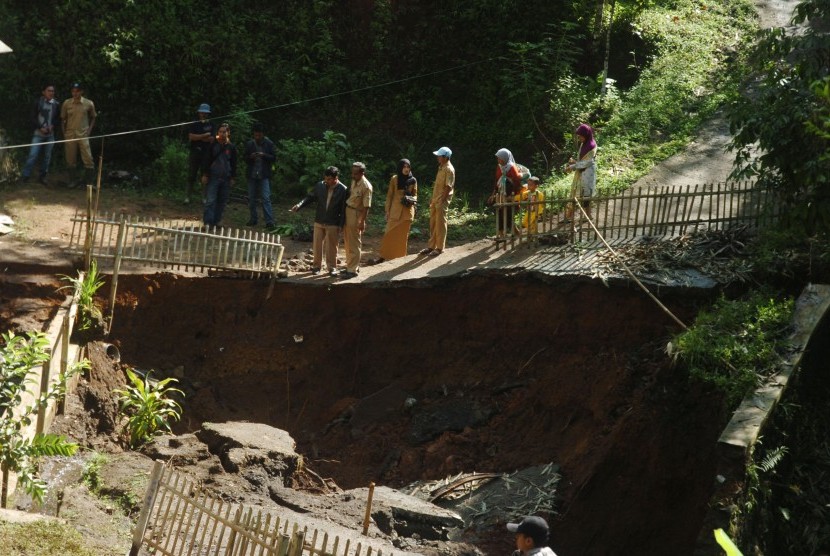
Solopos.com, BANJARNEGARA – Bencana tanah longsor dan tanah bergerak yang mendera wilayah Desa Bantar, Kecamatan Wanayasa, Kabupaten Banjarnegara, Jawa Tengah (Jateng) memicu Gubernur Jateng Ganjar Pranowo untuk meninjaunya, Selasa (16/1/2018). Kegiatan itu kemudian diunggah Ganjar di akun Instagramnya, @ganjar_pranowo, demi menanyakan solusi untuk mengatasi tanah longsor di Banjarnegara kepada warganet.

Berdasarkan keterangan yang didapat Ganjar, bencana seperti itu sudah dianggap sebagai peristiwa yang biasa terjadi oleh warga setempat. “Ironisnya, bencana ini sudah tidak asing lagi bagi masyarakat sekitar Banjarnegara,” tuils sang gubernur Jateng di akun Instagramnya.

Atas ironi bencana tanah longsor dan tanah bergerak di Banjarnegara itu, orang nomor wahid di lingkungan Pemprov Jateng tersebut meminta solusi kepada warganet di Instagram. “Ayo kasih usul saran dong untuk upaya pencegahan bencana ini? #Ganjarbertanya,” lanjut Ganjar Pranowo.

Kebanyakan warganet menyarankan agar wilayah rawan tanah longsor di Banjarnegara sudah sepatutnya kembali ditanami pohon sebagai penyangga tanah. Tak sedikit yang yang berharap agar tak terjadi lagi penebangan pohon secara besar-besaran di wilayah Banjarnegara. “Tanam yang banyak pohon-pohon berakar serabut, rawat sampai besar. Tanah-tanah dengan poisisi miring jangan dijadikan perkebunan,” tulis pengguna akun Instagram @fitriaartatiz.

“Jangan menebang pohon sembarangan,” timpal pengguna akun Instagram @ekmal_ge.

“Itu lahannya gundul karena longsor atau ditebang ya pak. Mungkin banyak tanam pohon berakar tunggang. Pohon-pohon kayu besar,” ungkap pengguna akun Instagram @adi_p.kurniawan.

Meski banyak yang menyarankan penanaman pohon, Ganjar tertarik dengan suatu saran tentang pemindahan warga dari lokasi yang sudah menjadi langanan bencana. Namun demikian, saran yang menarik perhatian Ganjar itu belum tentu bisa diterapkan.

Sementara itu, Humas Pemprov Jateng, melalui media sosial Twitter, mengabarkan Ganjar sebelumnya memang telah menginap di lokasi bencana demi memastikan semua warga mendapatkan bantuan yang dibutuhkan. Humas Pemprov Jateng mengungkapkan Pemprov Jateng akan memberikan bantuan senilai Rp132 juta ke wilayah yang didera bencana di Banjarnegara itu. (Ginanjar Saputra/JIBI/Semarangpos.com)

UN urges action, long-term measures to tackle disasters

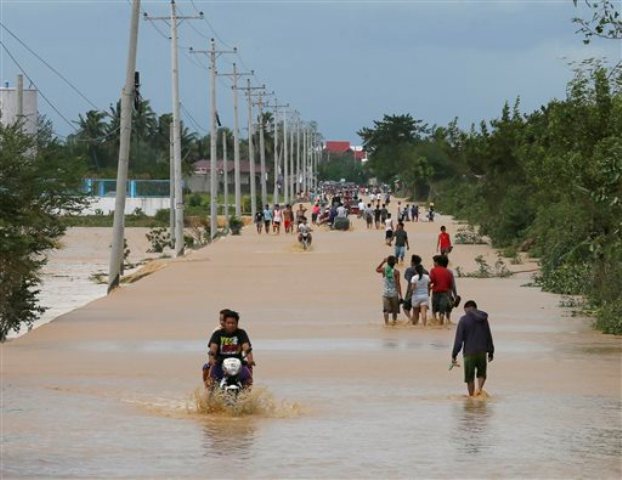
MANILA, Philippines — The United Nations Economic and Social Council (ECOSOC) has called on UN member states and the international community to “act now” and ensure long-term measures to tackle natural disasters.

“With devastating floods, hurricanes and earthquakes that have impacted numerous countries, humanitarian response must be complemented by medium and long-term recovery and reconstruction efforts,” the ECOSOC said in a statement issued by its president Marie Chatardová.

X

“Early humanitarian response has been critical for saving lives and livelihoods and the provision of essential services,” Chatardová said following the council’s special meeting on the “Aftermath of recent hurricanes: Achieving a risk-informed and resilient 2030 Agenda” last week.

She said preparedness and partnerships played an essential role in enabling the quick arrival of humanitarian response and emergency supplies during disaster.

Chatardová also issued a statement expressing the council’s condolences to disaster victims and extending solidarity to all the affected people and governments in the hurricane-hit Caribbean, Central America, the United States and Mexico, which was struck by successive earthquakes as well as Africa and South Asia where severe floodings occured.

ECOSOC has been assessing displacements and disruptions to livelihoods of people and their immediate needs such as health, water, sanitation and hygiene, food security and shelter.

It called for greater investment in disaster risk reduction, including preparedness, early warning and early action and urged for greater risk-informed investment in infrastructure and housing.

“We call for stronger collaboration, connectivity and complementarity between humanitarian, development, disaster risk reduction and climate action to define and deliver collective outcomes and to reduce need, risk and vulnerability over multiple years,” said the council.

It said attention must be given to the most vulnerable people facing climate change and extreme weather events.

Elaborating on the measures needed in both the medium and long term, the council called for longer term recovery, development and reconstruction programs, pointing to, among others, the regeneration of industries, including tourism, agriculture and fisheries.

“More importantly, key industries and livelihoods must be made sustainable and resilient to the impacts of future extreme weather events and other hazards. We must support efforts of affected and vulnerable countries to diversify their economies and harness the benefits of digital economy to enhance their economic resilience,” the statement explained.

“We need to act urgently,” council members said, adding that they are committed to continue to promote coordination of UN work in development and progress of countries.

BNPB: Banyak Bencana yang Disebabkan Manusia

 Ilustrasi tanah longsor.

REPUBLIKA.CO.ID, JAKARTA — Kepala Pusat Data, Informasi dan Hubungan Masyarakat Badan Nasional Penanggulangan Bencana (BNPB) Sutopo Purwo Nugroho mengatakan bencana yang terjadi di Indonesia lebih banyak karena oleh ulah manusia.

“Alam memang berpengaruh terhadap curah hujan. Namun, kalau lingkungan dan ekosistem tertata dengan baik, kejadian bencana tidak akan terus meningkat,” kata Sutopo di Jakarta, Jumat (5/1).

Sutopo mengatakan bencana hidrometeorologi seperti banjir, longsor dan puting beliung banyak disebabkan oleh faktor antropogenik atau ulah manusia. Eksploitasi lingkungan dan sumber daya alam, perluasan penggunaan lahan dan perubahan penggunaan lahan dari hutan menjadi perkebunan atau sawah pertanian menjadi permukiman tanpa diikuti kaidah-kaidah konservasi tanah dan air menyebabkan bencana lebih sering terjadi.

“Saat ini, hujan lebat sedikit saja sudah terjadi banjir di mana-mana karena kondisi lingkungan dan daya tampung yang sudah terlampaui, apalagi di Jawa yang paling padat. Jumlah penduduk terbanyak ada di Jawa,” tuturnya.

Tidak hanya banjir dan longsor, kepadatan penduduk juga menyebabkan perubahan tekanan udara sehingga berpeluang terjadi angin puting beliung karena udara bergerak dari daerah bertekanan tinggi ke daerah bertekanan rendah. “Masyarakat banyak yang menempati daerah-daerah yang secara alamiah rawan bencana. Di bantaran sungai, di tebing-tebing, di lereng-lereng bukit atau gunung, dengan mitigasi bencana yang melindungi mereka masih sangat minim,” katanya.

Aktivitas Gunung Agung Menurun, Zona Kawasan Rawan Bencana Dipersempit

Aktivitas Gunung Agung Menurun, Zona Kawasan Rawan Bencana Dipersempit

TRIBUNNEWS.COM, AMLAPURA – Kabid Mitigasi Gunung Berapi PVMBG, Gede Suantika, menjelaskan Kawasan Rawan Bencana (KRB) dipersempit lantaran aktivitas vulkanik Gunung Agung mengalami penurunan.

Baik dari sisi kegempaan (seismograf), deformasi, maupun pertumbuhn lava di dalam gunung.

Aliran lava yang naik ke permukaan melambat.

Volume lava di dalam kawah masih sekitar 20 juta meter kubik, atau sepertiga dari kapasitas kawah yang mecapai 60 juta meter kubik.

Laju pertumbuhan lava rendah.

Kecil kemungkinan akan penuhi kawah dalam waktu singkat.

Perlu waktu hingga beberapa tahun untuk memenuhinya.

Dari jumlah kegempaan juga mengalami penurunan.

Tapi, seismograf masih merekam ada kegempaan yang rendah dan tinggi. Ini mengindikasikan masih ada aliran magma dari kedalaman hingga ke permukaan.

Energi gempa, akuinya, belum menunjukkan peningkatan yang signifikan.

Data deformasi dalam beberapa hari terakhir menunjukkan trend stagnan.

Hal ini menandakan belum ada peningkatan sumber tekanan yang signifikan.

“PVMBG persempit radius KRB sesuai hasil rapat evaluasi di Jakarta. Dengan melihat hasil seismograf serta deformasi,” kata Suantika.

Dari hasil evaluasi tersebut, kata Suantika, diperkirakan potensi bahaya melanda sekitar area di dalam radias 6 kilometer dari kawah Gunung Agung.

Sedangkan daerah di luar 6 kilometer dinyatakan aman.

Lontaran batu pijar, pasir, krikil, dan hujan abu hanya melanda daerah di radius 6 kilometer.

Skala erupsi saat ini, untuk potensi bahaya awan panas kemungkinan masih relatif kecil.

Pertumbuhan lava lambat untuk penuhi kawah.

Untuk mendobrak kubah lava menjadi awan panas diperlukan pembangunan tekanan yang besar.

Sedangkan pembangunan tekanan hingga kemarin belum naik.

Mengingat Gunung Agung masih berstatus Awas, PVMBG mengimbau masyarakat tetap siaga.

Dengan demikian, jika terjadi perubahan kondisi yang cepat masyarakat telah mengantisipasinya.

Senate advances $36.5 billion disaster relief package

https://media.salon.com/2017/09/puerto-rico10.jpg

The Senate on Monday gave a preliminary OK to a $36.5 billion hurricane relief package that would provide Puerto Rico with a much-needed infusion of cash and keep the federal flood insurance program from running out of money to pay claims.

The 79-16 procedural vote set the stage for a final vote, most likely on Tuesday.

The measure also provides $18.7 billion to replenish the Federal Emergency Management Agency’s rapidly dwindling emergency disaster accounts. On Monday, FEMA announced more than $500 million in aid to Puerto Rico, including $285 million to help restore power and water services to the devastated island. An additional $16 billion would permit the financially troubled federal flood insurance program to pay an influx of Harvey-related claims.

But the bill rejects requests from the powerful Texas and Florida congressional delegations for additional money to rebuild after hurricanes Harvey and Irma. Florida Democrat Bill Nelson, whose state’s citrus industry endured significant losses during Irma, sought to add $3 billion in immediate agriculture assistance to the measure, but was denied by Majority Leader Mitch McConnell, R-Ky., who said money for crop losses would be in subsequent aid measures.

Senate passage on Tuesday would send the measure to President Donald Trump for his signature.

There was urgency to move the measure swiftly — rather than add more money to it at this time — because the government’s disaster response and flood insurance reserves are running out. Democrat Sen. Patrick Leahy of Vermont said that would happen “in a matter of days” without action.

Still, members of the Texas and Florida delegations in Congress are unhappy because the measure failed to address extensive requests for additional hurricane rebuilding money. Texas, inundated by Harvey in August, requested $19 billion, while Florida sought $27 billion.

“I’m pretty disappointed with what the House sent over,” Texas GOP Sen. John Cornyn said last week. But later, after speaking to both Trump and White House budget director Mick Mulvaney, Cornyn said he was promised that the White House would issue another disaster aid measure next month for Texas, Florida and Puerto Rico. A fourth, and perhaps final, measure is likely to anchor a year-end spending bill.

“The victims of these hurricanes can continue to count on our support,” McConnell said.

Up to $5 billion of the measure’s total could be used to assist Puerto Rico’s central government and various municipalities that are suffering unsustainable cash shortfalls as Maria has choked off revenues and strained resources. An additional $150 million would help Puerto Rico with the 10 percent match required for FEMA disaster relief.

5 former presidents call for unity at hurricane relief concert in Texas

More than one-fourth of the island’s residents don’t have potable running water and only 17 percent have electricity, according to FEMA. Just 392 miles of Puerto Rico’s 5,073 miles of roads are open. Conditions in the U.S. Virgin Islands are bad as well, with widespread power outages.

But Trump last week graded his response to the Puerto Rico disaster a 10 on a scale of 10.

“President Trump seems more concerned about claiming credit for a job well done than the actual situation on the ground deserves, particularly in Puerto Rico,” Leahy said. “This is the hard part of governing,” he added. “We dig in for the long haul, we stop patting ourselves on the back.”

The measure currently before the Senate contains $577 million for wildfires in the West that forced agencies to tap other reserves for firefighting accounts and FEMA money.

Republicans delayed action last year on modest requests by President Barack Obama to combat the Zika virus and help Flint, Mich., repair its lead-tainted water system. But they are moving quickly to take care of this year’s alarming series of disasters, quickly passing a $15.3 billion relief measure last month and signaling that another installment is coming next month.

Damage is still being assessed and final cost estimates for recovering and rebuilding from this year’s hurricane season are not in yet. Some House conservatives are becoming restive at the high price tag for the disasters, which come as the deficit is growing.

Managing mental health in the midst of disaster

An inmate firefighter monitors flames as a house burns in the Napa wine region in California on October 9, 2017, as multiple wind-driven fires continue to whip through the region. 

After a disaster, a major network of disaster counselors and mental health professional spring into action. Their task? Aid people with the sometimes long and invisible recovery that takes place following a traumatic event.

It could be after a natural disaster, like a hurricane or wildfire. Or a tragedy, like a mass shooting or crime. Either way, there’s an important personal recovery that needs to take place — and people whose job it is to help.

Psychologist James Halpern was a first responder at both 9/11 and the Sandy Hook school shooting, which left 20 children dead. He’s co-author of the book “Disaster Mental Health Interventions: Core Principles and Practices.” He’s also a professor emeritus and founding director of the Institute for Disaster Mental Health at SUNY New Paltz.

Halpern joined Marketplace Weekend host Lizzie O’Leary to talk about the role of mental health professionals following a disaster.Below is an edited transcript of the conversation.

Lizzie O’Leary: We are reflecting on the five year anniversary of the Sandy Hook shooting. That’s something you responded to. Can you walk us through what happens as a mental health first responder? You know, in that case what do you do?

James Halpern: I was with the families on the second day of the event. There was considerable fear and considerable chaos. We tried to provide some calm and safety. But they also asked us questions like, “How could this have happened to me? How could this have happened to my wonderful child?” And those are not real questions for us counselors. Those are cries or laments. What we can do is offer kindness and compassion and support. But some of the questions they asked, which had to do with how they supported their other children, were real questions. About whether or not the kids could watch these events on TV. And the answer is no. Whether or not it was good for those young children to be interviewed by the press. The answer is no. So, some combination of what might be considered crisis counseling and compassion and support.

O’Leary: What sort of disasters have you responded to and do people like you respond to?

Halpern: Sorry I’m laughing, but yeah, I mean disasters are so common and getting more common, it seems. You know, the United States, people don’t appreciate, has the most extreme weather in the world. So in addition to the kind of floods and fires that are most typical, we have a hurricane season. We have a tornado season. We have a wildfire season that seems to be expanding. Of course, we’ve got earthquakes, explosions, transportation accidents, plane crashes, epidemics, anything that involves considerable human suffering beyond a person.

O’Leary: Listening to the breadth of what you’re talking about, what does it cost to provide mental health care for so many people in such a variety of situations? And who pays for that? 

Halpern: In the early stages of disaster, crisis counseling is typically free. There are 5,000 mental health professionals deployed around the country by the Red Cross. These are psychologists, social workers, mental health counselors, who give up their time and energy to provide that kind of pro bono service. There’s also county, state, federal workers who, similarly, can be at shelters or family assistance centers. Now, over time some significant minority can develop long-term symptoms. And those folks are treated by professionals with health care, Medicare, Medicaid, private insurance. And depending on the nature of the disaster it can be supported by the federal government. For instance, if the disaster was a crime, like the Las Vegas shooting or 9/11, then there’s support from crime victims services for long-term care.

O’Leary: You know, I’m thinking about Puerto Rico. I just came back from a trip reporting on the island and that’s a place with significant devastation. I would imagine that the kinds of mental health services required over time change dramatically as we move farther out from the event itself.

Halpern: Most folks experience significant but transient symptoms. They’re OK and don’t need that long-term help. On the other hand, there’s some considerable research from the gulf oil spill where it leads to long-term economic dislocation, job loss. You see significant depression that needs to be addressed.

O’Leary: There’s a study from the National Institute of Mental Health that says it would have cost about $12.5 billion to provide what they call “comprehensive mental health care for 24 months” to the people affected by Hurricanes Katrina and Rita. Make the economic argument for me, the cost benefit analysis, of why that money is worth spending on mental health.

Halpern: These are disaster survivors who certainly bear no blame for being in the middle of these kinds of events. They are suffering. There is job loss. And those treatments work. We can reduce, then, long-term problems in substance abuse, in family violence, and family conflict, and individual suffering. There’s enormous benefit that we get when people are functioning effectively.

O’Leary: Do you think as a country we have made any collective strides in understanding that mental health is something worth spending money on?

Halpern: I think there is much less stigma now. It can be a struggle to find resources to cover those invisible wounds. I think easier, probably, to find resources for injuries and illnesses than for those invisible scars.

O’Leary: Is it hard to find the people who need help, after all a disaster can scatter survivors all over the place?

Halpern: Yes. I think that we could do better at providing more comprehensive screening, which would not be very costly. And there are, in fact, check lists where we can identify folks who are likely to have serious mental health problems.

O’Leary: What’s the impact on the people who do this work? I would imagine this is not easy.

Halpern: There are of course the obvious physical hazards. But for all responders, including mental health counselors, there’s listening to stories of trauma repeatedly, which can result in compassion fatigue. Or burnout. Or vicarious trauma, that you can begin to feel traumatized yourself just by hearing those stories secondhand. And, again, I think that that puts all responders at risk, and why it’s so important for all of those responders, and all of us as counselors to have very careful self care plans.

Daerah Rawan Bencana Butuh Standardisasi Kualitas Bangunan

PARIGI, (PR).- Gubernur Jawa Barat Ahmad Heryawan (Aher) mengunjungi lokasi terdampak gempa bumi di Desa Wonoharjo, Kecamatan Pangandaran, Kabupaten Pangandaran, Rabu, 20 Desember 2017. Dalam kunjungannya, ia meminta masyarakat agar memperhatikan kualitas ketika hendak membangun rumah.

Aher menilai perlu adanya standardisasi kualitas rumah. Dengan begitu maka bisa mengurangi risiko ambruk saat diguncang gempa.

“Kami harus sadarkan masyarakat hidup di wilayah rawan bencana, Pangandaran, Tasik, Sukabumi, Ciamis, Garut. Oleh karena itu, segala langkah kehidupan harus menyesesuaikan, termasuk pembangunannya, harus standar, semennya jangan kurang, apalagi rumah tembok harus pakai tulang besi,” kata Aher kepada awak media, Rabu, 20 Desember 2017.

Ia menyayangkan fondasi rumah terdampak gempa tidak standar. Akibatnya, kerusakan rumah hingga ambruk pun tak bisa dihindari.

Ia menyarankan agar pembangunan rumah atau gedung sepatutnya dikoordinasikan dengan pemerintah setempat.

“Tulangnya (fondasi) kecil, semen tidak standar, kami ingin bimbing masyarakat koordinasi kalau bangun (gedung atau rumah) dengan pemerintah. Pemerintah sekarang terbuka, jangan dikira bayar mahal, kalau pun bayar paling sesuai tarif retribusi. Pemerintah juga sebaiknya rajin bimbingan ke masyarakat,” ujarnya.

Aher juga mengatakan, bahwa Jawa Barat seperti di Pangandaran memiliki potensi bencana yang besar, sehingga penanganan dini seperti pemasangan early warning system (EWS) juga sangat penting, sehingga ketika ada bencana, warga sudah bisa melakukan evakuasi untuk menyelamatkan diri lebih awal. 

“Juga pentingnya Therapy Healing pascabencana terhadap warga,” ujarnya. 

Dalam kunjungannya ke Pangandaran Aher juga menyerahkan bantuan kepada korban bencana gempa kepada Bupati Pangandaran Jeje Wiradinata. Sedangkan untuk perbaikan mesjid, kata Aher, 100 juta dari provinsi, 100 juta dari pemda dan 50 juta dari Bank BJB.

Hingga kini pemerintah daerah masih terus melakukan verifikasi kerusakan rumah warga akibat gempa oleh 31 tim yang tetsebar di seluruh wilayah Kab Pangandaran. (Agus Kusnadi/KP)***

Debts add to disaster for climate-hit nations

Antigua and Barbuda after Hurricane Irma.

For many countries impacted by the negative impacts of climate change, much more money is leaving in debt payments than they receive in grants to cope with climate impacts (Theresa May: It’s Britain’s duty to help nations hit by climate change, 12 December).

Even before this autumn’s devastating hurricanes, Caribbean countries were suffering under unsustainable debts caused by the legacy of colonialism, unjust trade rules, harsh austerity measures imposed in return for bailouts, and past disasters. Now countries such as Antigua and Barbuda, and Dominica, are expected to keep paying debts while struggling to rebuild.

One of the main “solutions” proposed to this cycle of climate-induced disasters and indebtedness is climate risk insurance. This fundamentally unjust measure places the financial burden of climate impacts on people who have done the least to cause the problem of climate change, while ensuring that creditors keep being paid in the event of climate disasters. Instead, debt cancellation is needed to make debts sustainable, and all assistance to adapt to – and rebuild from – climate disasters must be in the form of grants, not loans.
Sarah-Jayne Clifton
Director, Jubilee Debt Campaign

Theresa May’s article failed to explain how the fight to limit climate change is helped by fracking, by the building of Hinckley Point with its absurd overpricing of the cost of each unit of electricity (another example of Conservatives milking citizens to benefit commerce), by the third runway at Heathrow or by her government’s refusal to include environmental costs in the calculation of the value of gross national product, another example of said welfare state.

Her stock answer to demands for more being spent on (for example) the NHS is that increased interest payments on borrowing cannot be borne because they will prejudice future generations, yet the threat to future generations from the effects of climate change is immeasurably greater. Moreover, May has no qualms in leaving future generations with the burden of guarding spent nuclear fuel for hundreds of years. The inadequacy of her policies is plain.
Ian Tysh
Wealden Green party, East Sussex